Ever been in a dance class and not known what your teacher wanted from you when giving a correction? You’re not alone there.
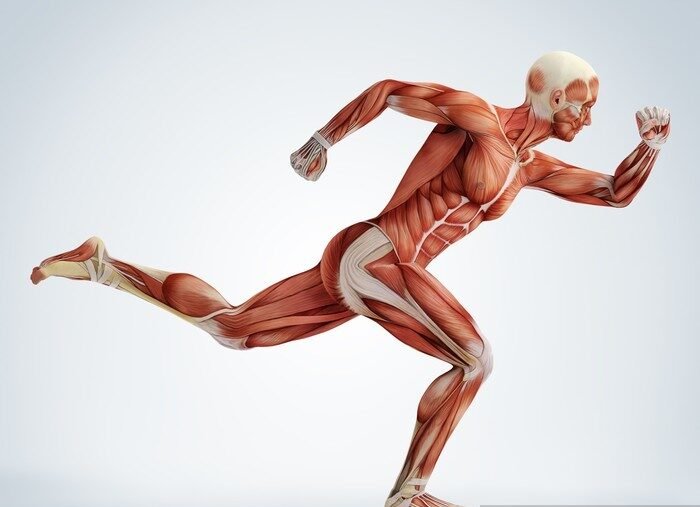
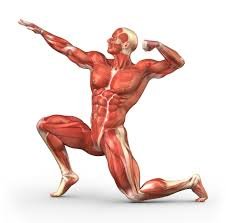
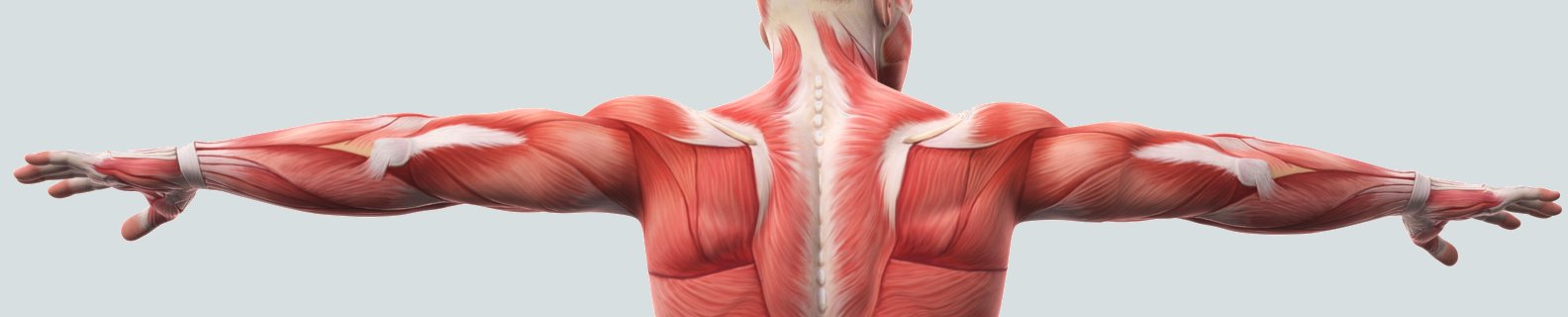
As a dancer myself, I can think back to a few classes where there was foreign vocabulary that made me secretly wonder and hope that I was doing the correction accurately. Not all corrections are always anatomy based, but considering that dance involves our whole body, it’s safe to say that 80-90% of the time a correction from our teachers involves some part of our anatomy.
It was only when I started my high school years at the National School of the Arts, that I was introduced to Dance Studies, and within that Dance Anatomy. Like a light bulb finally shining brightly, all the corrections I hadn’t understood before started to make sense. Everything I thought I knew about my body shifted and instead I got to know more of what I was capable of.
Now that I had this information at my fingertips, I could begin to apply my corrections on a deeper level, not only for my mind but for my body type too. Knowing what my body’s limits are not only gave me more confidence in the steps that came easily to me, but also helped me adapt and mould how I was executing the dance steps that I struggled with. To add to that, I could now piece together which parts of my body needed extra attention, extra strength training, extra stretching so that I could have a more balanced body to cater for the one-sidedness of dance and to prevent the one thing no dancer wants, injuries.
After dedicating 25 years of my life to dance, it goes without saying that I have experienced my fair share of injuries along the way. Some of them occurred from over-working my body in times of high stress preparations for stage productions, while others were from incorrect posture or technique during a specific movement or even because I had tried to push my body beyond it’s physical limitations. Getting to know my anatomy more and more each day, injuries from over-working my body became fewer as I learnt how to care for and boost my body during those high stress times. I could also prevent my previous injuries from re-occurring due to that incorrect posture, because now I could do something about strengthening those postural muscles that had failed me before. All-in-all my number of injuries significantly decreased as the knowledge of how to take care of my body increased. And knowing what my post-injury training needed to be kept me on track towards a stronger body.
Now as a certified BASI Pilates Instructor I am so grateful for the knowledge I gained about human anatomy at a high school level. I feel privileged to have had that chance at a fairly young age and only wish I had started learning it all earlier. It has saved my body many times over and given me years to enjoy what I love to do. On top of that I have gained a love for learning about the human body and all that we are capable of, and so I am also grateful for the career paths this has created for me.
I love that I can keep my body strong, flexible, mobile and happy while also pushing my limits and safely challenging what I can do. I love that if I do have an injury I can understand what has happened within my body and how to move forwards in my training. Most of all, I love that I can share my knowledge and teach people how to live in their bodies well.